
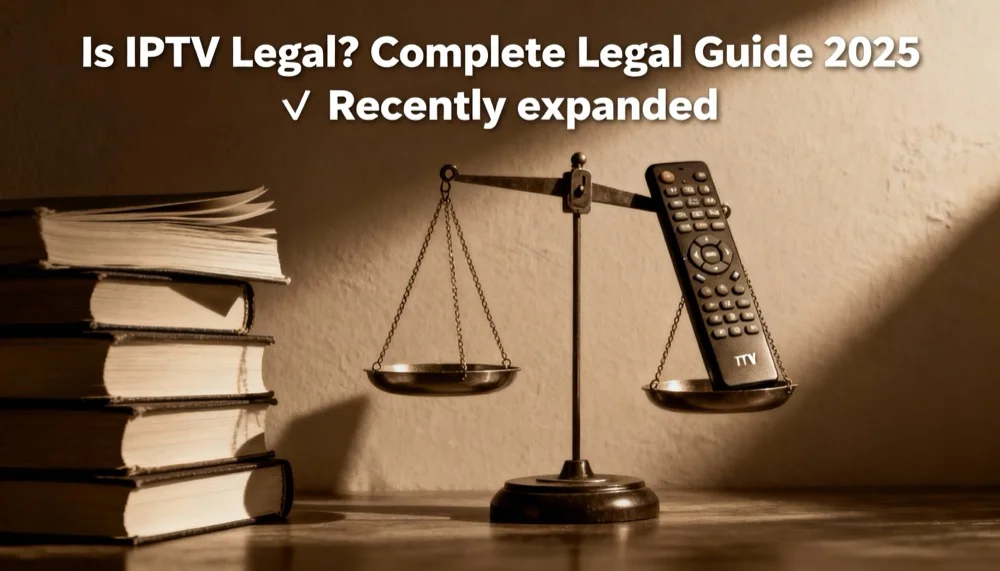
Is IPTV Legal? Complete Legal Guide 2026
Introduction: Understanding IPTV Legality in 2026
The question “Is IPTV legal?” is one of the most frequently asked questions by consumers considering streaming services. With the rapid growth of internet-based television and increasing scrutiny of streaming services, understanding the legal landscape surrounding IPTV has never been more important.
The short answer is: Yes, IPTV technology and legitimate IPTV services are completely legal. However, the legality depends entirely on the content being streamed and whether the service provider has proper licensing agreements for that content.
In this comprehensive guide, we’ll explore all aspects of IPTV legality, including regulatory frameworks, how to identify legal services, potential risks of illegal streaming, and how to ensure you’re using IPTV services legally and safely.
What is IPTV Technology?
IPTV (Internet Protocol Television) is a digital television broadcasting method that uses internet protocol networks to deliver television content to viewers. Unlike traditional cable or satellite TV, IPTV streams content through internet connections, offering greater flexibility and accessibility.
How IPTV Works:
- Content delivery: TV channels and on-demand content are transmitted via internet protocols
- Device compatibility: Can be accessed on smart TVs, computers, tablets, smartphones, and dedicated streaming devices
- Network infrastructure: Utilizes existing broadband internet connections
- User interface: Typically accessed through apps or web-based platforms
Types of IPTV Services:
- Live Television: Real-time broadcasting of TV channels
- Video on Demand (VOD): Pre-recorded content available for streaming
- Time-shifted TV: Ability to pause, rewind, or replay live content
- Interactive TV: Enhanced features like program guides, voting, and additional information
The Legal Framework: IPTV Technology vs. Content
Understanding IPTV legality requires distinguishing between the technology itself and the content being delivered:
IPTV Technology is Legal
The underlying technology for streaming television content over internet protocols is completely legal worldwide. Major companies like Netflix, Amazon Prime, Hulu, and YouTube TV all use IPTV technology to deliver content legally.
Content Licensing Determines Legality
What makes an IPTV service legal or illegal is whether the service provider has:
- Proper licensing agreements with content creators and distributors
- Broadcasting rights for the specific geographic regions they serve
- Copyright permissions for all content in their catalog
- Compliance with local and international broadcasting regulations
Global IPTV Legal Status by Region
United States
- Legal framework: Copyright Act, DMCA, FCC regulations
- Legal IPTV services: YouTube TV, Hulu Live, Sling TV, AT&T TV
- Enforcement: Active prosecution of illegal streaming services
- Consumer protection: Legal services must comply with consumer protection laws
European Union
- Legal framework: Digital Single Market strategy, AVMSD (Audiovisual Media Services Directive)
- Cross-border streaming: Portability regulation allows legal access across EU countries
- National regulations: Each member state implements additional broadcasting laws
- Consumer rights: Strong consumer protection and data privacy laws
United Kingdom
- Legal framework: Broadcasting Act, Copyright, Designs and Patents Act
- Regulatory body: Ofcom oversees broadcasting regulations
- Legal services: BBC iPlayer, ITV Hub, Sky Go, Amazon Prime Video
- Enforcement: Trading Standards and police actively pursue illegal services
Canada
- Legal framework: Broadcasting Act, Copyright Act
- Regulatory body: CRTC (Canadian Radio-television and Telecommunications Commission)
- Legal requirements: Services must have CRTC licensing for Canadian content
- Consumer protection: Strong anti-spam and consumer protection regulations
Australia
- Legal framework: Broadcasting Services Act, Copyright Act
- Regulatory body: ACMA (Australian Communications and Media Authority)
- Geographic restrictions: Content must be licensed for Australian distribution
- Anti-piracy measures: Active blocking of illegal streaming sites
How to Identify Legal IPTV Services
Characteristics of Legal IPTV Providers:
1. Proper Business Registration
- Company information: Clearly displayed business name, address, and contact details
- Legal documentation: Terms of service, privacy policy, and licensing information
- Regulatory compliance: Registration with relevant broadcasting authorities
- Transparency: Open about their content licensing and business model
2. Content Licensing
- Official partnerships: Partnerships with major broadcasters and content creators
- Geographic restrictions: Content availability varies by region due to licensing
- Copyright notices: Proper attribution and copyright information displayed
- Quality content: High-production value, current programming
3. Professional Operations
- Customer support: Professional customer service available during business hours
- Secure payments: Established payment processors (PayPal, credit cards, bank transfers)
- Service reliability: Consistent uptime and quality streaming
- User interface: Professional, well-designed apps and websites
4. Transparent Pricing
- Clear pricing structure: No hidden fees or mysterious charges
- Multiple payment options: Various legitimate payment methods accepted
- Refund policies: Clear terms for cancellations and refunds
- Contract terms: Straightforward subscription agreements
Red Flags of Illegal IPTV Services:
1. Suspicious Pricing
- Unrealistically low prices: Far below market rates for similar content
- “Lifetime” subscriptions: Promises of permanent access for one-time payments
- Cryptocurrency payments: Exclusively accepting untraceable payment methods
- Cash-only transactions: Avoiding traditional payment processors
2. Poor Business Practices
- No company information: Anonymous operators with no verifiable business details
- Unclear terms: Vague or missing terms of service
- No customer support: Lack of accessible customer service
- Frequent service changes: Constantly changing domains, apps, or contact information
3. Content Red Flags
- Too much content: Claiming to offer “all channels worldwide”
- Premium content at low cost: Major sports, movies, and premium channels for minimal fees
- No geographic restrictions: Content from all regions available everywhere
- Poor quality: Low-resolution streams, frequent buffering, unreliable service
Legal Risks of Using Illegal IPTV Services
For Consumers:
Civil Penalties
- Copyright infringement: Potential lawsuits from content creators
- Financial damages: Statutory damages ranging from hundreds to thousands of dollars
- Legal fees: Costs of defending against copyright claims
- Injunctive relief: Court orders to stop using illegal services
Criminal Penalties (in severe cases)
- Criminal charges: Potential prosecution for willful copyright infringement
- Fines: Significant monetary penalties
- Criminal record: Potential impact on employment and other opportunities
Privacy and Security Risks
- Data harvesting: Illegal services often collect and sell user data
- Malware distribution: Infected apps and websites
- Identity theft: Personal and financial information at risk
- No legal recourse: No protection when illegal services misuse your information
For Service Providers:
Severe Legal Consequences
- Criminal prosecution: Federal charges for copyright infringement
- Asset forfeiture: Seizure of equipment, bank accounts, and property
- Prison sentences: Multi-year sentences for operators of large illegal services
- Permanent injunctions: Court orders prohibiting future similar activities
Benefits of Using Legal IPTV Services
Superior User Experience
- Reliable service: Consistent uptime and stream quality
- Professional support: Responsive customer service
- Regular updates: Continuous improvement of apps and features
- Device compatibility: Guaranteed compatibility with popular devices
Legal Protection
- Consumer rights: Protection under consumer protection laws
- Privacy protection: Compliance with data protection regulations
- Transparent policies: Clear terms and conditions
- Legal recourse: Ability to resolve disputes through legal channels
Content Quality
- High-definition streaming: 4K and HDR content available
- Original programming: Access to exclusive content and original series
- Complete catalogs: Full seasons and episode libraries
- Timely releases: New content available when officially released
Security and Privacy
- Secure platforms: Encrypted connections and secure payment processing
- Privacy protection: Compliance with privacy laws and regulations
- No malware risk: Professionally developed and maintained applications
- Data protection: Secure handling of personal and payment information
How to Verify IPTV Service Legality
Research Steps:
1. Company Verification
- Business registration: Check business registries in the company’s claimed location
- Contact information: Verify physical address and phone numbers
- Online presence: Professional website, social media, and customer reviews
- Industry associations: Membership in relevant trade organizations
2. Licensing Verification
- Content partnerships: Look for official announcements of content deals
- Regulatory filings: Check with broadcasting authorities for licensing information
- Copyright notices: Verify proper attribution and licensing statements
- Geographic availability: Confirm service is legally available in your region
3. User Feedback Research
- Independent reviews: Read reviews from multiple sources
- User forums: Check discussions on Reddit, tech forums, and review sites
- Complaint records: Search for legal issues or regulatory actions
- Media coverage: Look for news articles about the service
Questions to Ask Potential Providers:
- “What are your content licensing agreements?”
- “Are you registered as a broadcasting service in my country?”
- “Can you provide documentation of your content rights?”
- “What happens if content becomes unavailable due to licensing changes?”
- “Do you comply with local broadcasting regulations?”
Country-Specific IPTV Regulations
United States Specific Requirements
- FCC oversight: IPTV services may require FCC authorization
- DMCA compliance: Must respond to copyright takedown notices
- Accessibility requirements: Compliance with ADA for closed captioning
- Consumer protection: Truth in advertising and billing practices
European Union Specific Requirements
- GDPR compliance: Strict data protection and privacy requirements
- Country of origin principle: Services regulated by country of establishment
- Quota requirements: Minimum European content quotas for some services
- Advertising regulations: Restrictions on advertising content and placement
Canada Specific Requirements
- Canadian content quotas: Minimum requirements for Canadian programming
- CRTC licensing: Registration requirements for certain services
- French language requirements: Content availability in French in Quebec
- Broadcasting distribution: Compliance with Canadian broadcasting objectives
The Future of IPTV Regulation
Emerging Trends:
- Increased regulation: More countries implementing specific IPTV regulations
- International cooperation: Enhanced cooperation to combat illegal streaming
- Consumer protection: Stronger protections for streaming service users
- Technology adaptation: Regulations evolving to address new streaming technologies
Regulatory Developments:
- AI and machine learning: Use of technology to identify and block illegal services
- Blockchain verification: Potential use of blockchain for content licensing verification
- Real-time monitoring: Enhanced monitoring of streaming content and sources
- Cross-border enforcement: Improved international cooperation on enforcement
Common IPTV Legal Myths Debunked
Myth 1: “IPTV is illegal everywhere”
Truth: IPTV technology is legal worldwide. Only unlicensed content distribution is illegal.
Myth 2: “VPNs make illegal streaming legal”
Truth: Using a VPN doesn’t change the legality of the content being accessed.
Myth 3: “It’s only illegal if you’re caught”
Truth: Copyright infringement is illegal regardless of enforcement.
Myth 4: “Small-scale streaming isn’t prosecuted”
Truth: While large-scale operations are prioritized, individual users can face legal action.
Myth 5: “Foreign services are outside local law”
Truth: Users are subject to laws in their jurisdiction regardless of service location.
Best Practices for Legal IPTV Use
For Consumers:
- Research thoroughly before subscribing to any IPTV service
- Choose established providers with clear business information
- Read terms of service and understand your rights and obligations
- Monitor your usage and ensure compliance with service terms
- Stay informed about changes in local broadcasting regulations
For Businesses:
- Obtain proper licensing for all content offered
- Comply with local regulations in all operating jurisdictions
- Implement strong security measures to protect user data
- Maintain transparent operations with clear policies and procedures
- Work with legal counsel specializing in broadcasting and copyright law
What to Do If You’ve Used Illegal Services
Immediate Steps:
- Stop using the service immediately
- Cancel subscriptions and dispute any charges if possible
- Change passwords for any accounts that may have been compromised
- Monitor financial accounts for unauthorized activity
- Consider legal consultation if you’ve received legal notices
Preventive Measures:
- Switch to legal alternatives that offer similar content
- Install security software to protect against malware
- Be cautious with future services and verify legality before subscribing
- Stay informed about legal streaming options in your area
Legal IPTV Alternatives and Recommendations
Major Legal IPTV Services:
Subscription-Based Services:
- Netflix: Global streaming with original content
- Amazon Prime Video: Included with Amazon Prime membership
- Hulu: US-based streaming with live TV options
- Disney+: Disney, Marvel, Star Wars, and National Geographic content
- YouTube TV: Live TV streaming with major networks
Free Legal Options:
- YouTube: Free content with ads
- Tubi: Ad-supported movies and TV shows
- Pluto TV: Free live TV and on-demand content
- Crackle: Free movies and TV shows
- IMDb TV: Free streaming service from Amazon
Regional Legal Services:
- BBC iPlayer (UK): Free with TV license
- ITV Hub (UK): Free with registration
- CBC Gem (Canada): Free Canadian content
- SBS On Demand (Australia): Free Australian content
Conclusion: Making the Legal Choice
The legality of IPTV services ultimately comes down to one fundamental principle: content licensing. IPTV technology itself is completely legal and represents the future of television distribution. However, the content being distributed must be properly licensed for the regions where it’s being offered.
Key Takeaways:
- IPTV technology is legal everywhere in the world
- Content licensing determines legality - not the delivery method
- Legal services offer better quality and more reliable service
- Illegal services pose significant risks including legal, financial, and security threats
- Verification is essential before subscribing to any IPTV service
Our Recommendation:
Choose legal IPTV services that:
- Have clear business operations and licensing
- Offer transparent pricing and terms
- Provide professional customer support
- Comply with local broadcasting regulations
- Protect your privacy and security
The streaming landscape continues to evolve, with more legal options becoming available at competitive prices. By choosing legal services, you’re not only protecting yourself from legal risks but also supporting the content creators who make the entertainment you enjoy possible.
Remember: When in doubt about a service’s legality, research thoroughly, ask questions, and err on the side of caution. The peace of mind that comes with using legal services is invaluable.
Frequently Asked Questions (FAQ)
Q: Is IPTV technology itself legal?
A: Yes, IPTV technology is completely legal worldwide. It’s simply a method of delivering television content via internet protocols, used by major platforms like Netflix, Amazon Prime, and YouTube TV.
Q: What makes an IPTV service legal or illegal?
A: The legality depends on whether the service has proper licensing agreements for the content they distribute. Legal services have broadcasting rights and content distribution agreements; illegal services stream copyrighted content without permission.
Q: Can I get in trouble for using illegal IPTV services?
A: While enforcement typically targets service providers rather than individual users, using illegal IPTV services can result in ISP warnings, service suspension, potential legal action, and security risks. It’s always better to use legal alternatives.
Q: How can I verify if an IPTV service is legal?
A: Check for transparent business information, reasonable pricing, official payment methods, clear terms of service, proper content licensing, and professional customer support. Avoid services with anonymous operators or unrealistic pricing.
Q: Are free IPTV services legal?
A: Some are, some aren’t. Ad-supported services like Pluto TV and Tubi are completely legal. However, many “free” IPTV services offering premium content are illegal piracy operations.
Q: Do I need a VPN to use legal IPTV services?
A: No, legal IPTV services don’t require VPNs. They operate openly and legally. VPNs don’t make illegal content legal - they only provide privacy protection.
Q: What are the risks of using illegal IPTV services?
A: Risks include legal consequences, ISP warnings, malware infections, data theft, unreliable service, no customer support, and loss of payment without recourse.
Q: Is Snel IPTV legal?
A: Yes, Snel IPTV operates completely legally with proper licensing agreements, business registration, transparent operations, and compliance with broadcasting regulations.
Q: How much do legal IPTV services cost?
A: Legal IPTV services typically range from $10-50 per month, which is significantly cheaper than traditional cable TV while offering legal content and reliable service.
Q: What should I do if I’m currently using an illegal IPTV service?
A: Stop using the service immediately, cancel any subscriptions, change passwords for compromised accounts, monitor financial accounts, and switch to a legal alternative.
This guide provides general information about IPTV legality and should not be considered legal advice. Laws may vary by jurisdiction. When in doubt, consult with qualified legal counsel and choose reputable, licensed IPTV services.
Ready to Experience Premium IPTV?
Join over 50,000 satisfied customers streaming 32,670+ channels in stunning 4K quality
Start Your Free Trial Now